Electrical faults are one of the leading causes of equipment failures, unexpected downtime, costly repairs, and even electrical fires. The challenge is that many electrical problems develop silently behind switchboards, inside distribution panels, within electrical connections, and inside critical equipment where they cannot be seen during a standard visual inspection.
By the time an electrical fault becomes obvious, significant damage may have already occurred.
This is where thermal imaging technology has become an invaluable tool for modern electrical maintenance.
Thermal imaging allows qualified technicians to identify hidden electrical issues before they result in equipment failure, safety risks, or business interruptions. By detecting abnormal heat signatures within electrical systems, thermal cameras can reveal developing faults that would otherwise go unnoticed.
At GT HVAC & Electrical, we use advanced thermal imaging inspections throughout Melbourne to help commercial, industrial, educational, and residential clients identify electrical problems early and maintain safer, more reliable electrical systems.
In this article, we'll explain how thermal imaging works, what electrical faults it can detect, and why thermal imaging inspections are becoming an essential part of preventative maintenance programs.
What Is Thermal Imaging?
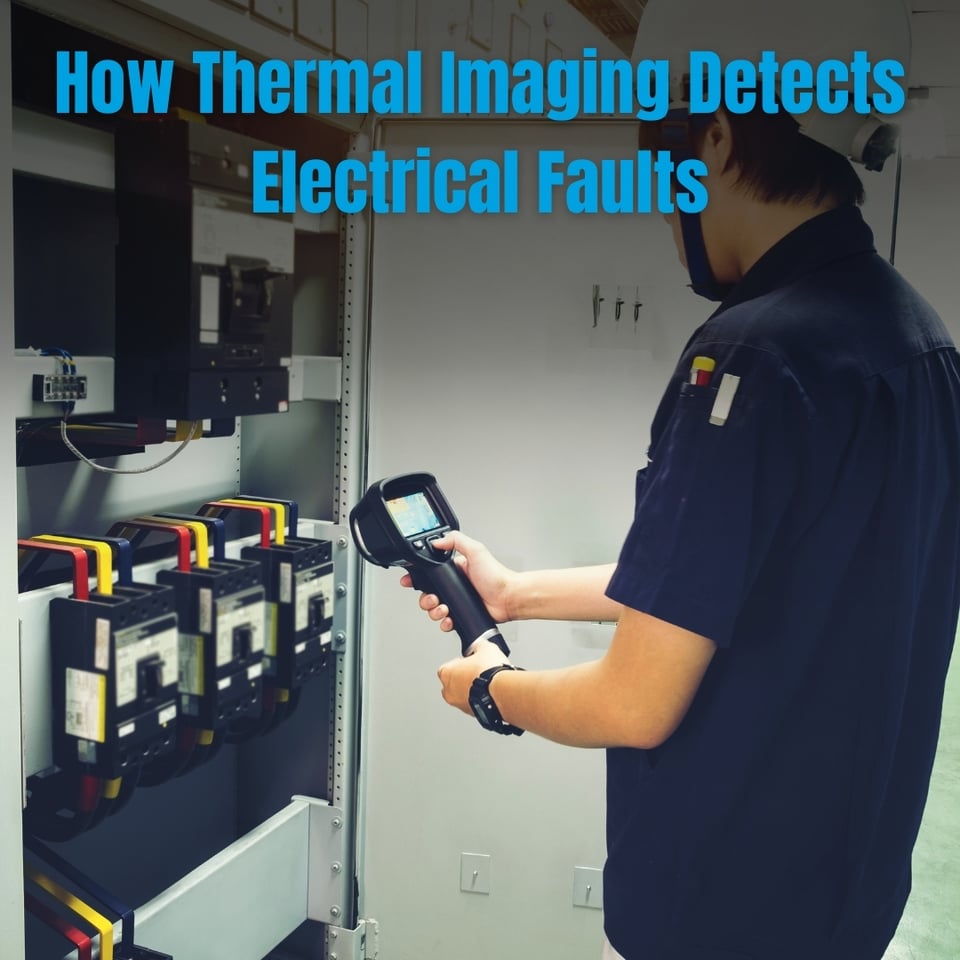
Thermal imaging, also known as infrared thermography, is a non-invasive inspection method that uses specialised infrared cameras to detect temperature differences on surfaces.
Unlike traditional cameras that capture visible light, thermal imaging cameras detect infrared energy (heat) emitted by objects.
The camera converts temperature variations into a visual image, allowing technicians to see hot and cold areas that are invisible to the naked eye.
This enables electrical contractors to identify overheating components and developing faults while equipment remains operational.
Why Heat Is an Early Warning Sign
Most electrical faults generate heat before they fail.
As electrical resistance increases, components often begin to operate at higher temperatures.
These temperature increases may occur long before visible signs of damage appear.
Examples include:
- Loose electrical connections
- Overloaded circuits
- Failing breakers
- Unbalanced electrical loads
- Deteriorating switchgear
- Worn contacts
- Damaged cables
Thermal imaging allows these issues to be detected early, often months before they cause equipment failure.
How Thermal Imaging Detects Electrical Faults
Electrical current naturally produces heat as it flows through conductors and components.
Under normal operating conditions, electrical equipment operates within expected temperature ranges.
When a fault develops, abnormal resistance or excessive current flow causes temperatures to rise.
Thermal cameras identify these hotspots immediately.
By comparing component temperatures across similar circuits and equipment, technicians can pinpoint areas requiring further investigation.
The process is fast, safe, and highly effective.
Common Electrical Faults Found Using Thermal Imaging
Loose Electrical Connections
Loose terminals are one of the most common faults identified during thermal imaging inspections.
Even a slightly loose connection can create resistance, causing significant heat buildup over time.
If left unattended, loose connections can result in:
- Equipment failure
- Burnt conductors
- Arcing
- Electrical fires
- Unexpected shutdowns
Thermal imaging quickly highlights these hotspots before major damage occurs.
Overloaded Circuits
Electrical circuits that are carrying excessive loads often generate more heat than designed.
Thermal imaging can identify overloaded circuits before they trip breakers or damage equipment.
Early detection allows corrective action such as:
- Load balancing
- Circuit upgrades
- Equipment redistribution
This helps prevent future failures and improves overall electrical reliability.
Failing Circuit Breakers
Circuit breakers play a critical role in protecting electrical systems.
Over time, breakers can deteriorate internally due to age, wear, or repeated operation.
Thermal imaging often reveals:
- Internal heating
- Poor contacts
- Uneven temperature patterns
- Failing protection devices
Identifying failing breakers early helps avoid unexpected power outages and costly downtime.
Unbalanced Electrical Loads
Three-phase electrical systems should ideally distribute electrical load evenly across all phases.
Load imbalances can create excessive heat, reduce efficiency, and place additional stress on equipment.
Thermal imaging helps identify:
- Phase imbalance
- Uneven loading
- Distribution issues
- Excessive conductor temperatures
Correcting these issues can improve equipment performance and energy efficiency.
Damaged Switchboards
Switchboards contain numerous electrical connections, breakers, busbars, and protective devices.
Because many components are enclosed, developing faults may not be visible during routine inspections.
Thermal imaging can identify:
- Hot busbar connections
- Overheated breakers
- Loose terminals
- Failing switchgear
- Abnormal temperature patterns
This makes thermal imaging one of the most valuable tools for switchboard maintenance.
Electrical Motor Faults
Many commercial and industrial facilities rely on electric motors for HVAC systems, pumps, fans, conveyors, and machinery.
Motor-related faults often generate heat before failure occurs.
Thermal imaging can identify:
- Bearing issues
- Overloading
- Electrical winding problems
- Phase imbalances
- Cooling issues
Detecting these problems early reduces downtime and extends equipment lifespan.
HVAC Equipment Inspections
Thermal imaging is also widely used in HVAC maintenance.
At GT HVAC & Electrical, thermal inspections often assist with diagnosing:
- Faulty compressors
- Electrical connection issues
- Overheating motors
- Control system faults
- Switchboard problems
Because HVAC systems contain both electrical and mechanical components, thermal imaging provides valuable diagnostic information that may not be obvious through conventional testing.
The Benefits of Thermal Imaging Inspections
Non-Invasive Testing
One of the biggest advantages of thermal imaging is that inspections can often be performed without dismantling equipment.
Technicians can assess operating systems safely and efficiently.
Early Fault Detection
Problems can be identified before they become visible or cause operational failures.
This reduces repair costs and minimises disruption.
Improved Safety
Identifying overheating components reduces the risk of:
- Electrical fires
- Equipment failure
- Workplace hazards
- Unplanned shutdowns
Reduced Downtime
Planned maintenance is significantly less disruptive than emergency repairs.
Thermal imaging supports proactive maintenance strategies.
Lower Maintenance Costs
Addressing minor issues before they become major failures helps reduce long-term maintenance expenses.
Industries That Benefit from Thermal Imaging
Thermal imaging inspections are valuable across a wide range of industries and facilities.
Commercial Buildings
Office buildings rely on complex electrical infrastructure and HVAC systems that benefit from regular thermal inspections.
Schools and Educational Facilities
Schools often contain extensive electrical systems, switchboards, heating equipment, and air conditioning systems that require ongoing monitoring.
Industrial Facilities
Manufacturing plants use large volumes of electrical equipment where downtime can be extremely costly.
Healthcare Facilities
Hospitals and medical facilities rely on uninterrupted electrical performance and preventative maintenance.
Retail Centres
Shopping centres and retail facilities use thermal imaging to maintain electrical safety and reliability.
Residential Properties
Homeowners can also benefit from thermal inspections, particularly when investigating recurring electrical issues or evaluating older electrical systems.
How Often Should Thermal Imaging Be Performed?
Inspection frequency depends on the type of facility and criticality of equipment.
Many commercial and industrial sites schedule annual thermal imaging inspections as part of preventative maintenance programs.
Higher-risk environments may require more frequent inspections.
Factors influencing inspection frequency include:
- Equipment age
- Electrical load demands
- Environmental conditions
- Critical infrastructure requirements
- Insurance requirements
- Regulatory obligations
A qualified electrical contractor can recommend an inspection schedule based on your facility's needs.
What Happens During a Thermal Imaging Inspection?
A professional thermal imaging inspection typically includes:
Visual Assessment
Technicians review electrical equipment and identify key inspection areas.
Thermal Scanning
Infrared cameras are used to inspect:
- Switchboards
- Distribution boards
- Circuit breakers
- Motor control centres
- HVAC equipment
- Electrical connections
Temperature Analysis
Thermal images are analysed to identify abnormal temperature variations.
Reporting
A detailed report is prepared highlighting:
- Identified faults
- Risk levels
- Recommended corrective actions
- Thermal images for documentation
This information allows facility managers to prioritise maintenance and repairs effectively.
Why Thermal Imaging Is a Critical Part of Preventative Maintenance
Preventative maintenance focuses on identifying problems before they become failures.
Thermal imaging aligns perfectly with this approach because it reveals hidden issues that conventional inspections may miss.
Rather than waiting for:
- Equipment breakdowns
- Production interruptions
- Safety incidents
- Emergency repairs
Facility managers can address faults proactively.
This improves reliability, safety, and long-term asset performance.
Why Choose GT HVAC & Electrical for Thermal Imaging Inspections?
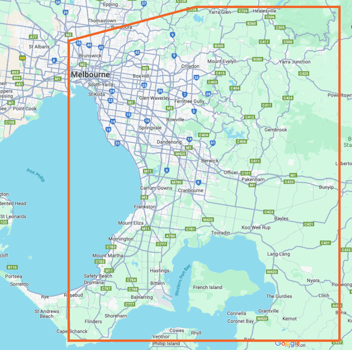
GT HVAC & Electrical provides professional thermal imaging services throughout Melbourne and surrounding regions.
Our experienced team uses advanced infrared technology to identify electrical faults, overheating components, and developing equipment issues before they become major problems.
We assist:
- Commercial facilities
- Schools
- Industrial sites
- Retail centres
- Property managers
- Government facilities
- Residential clients
Our inspections provide valuable insight into the health of your electrical systems while supporting safer and more reliable operations.
Book a Thermal Imaging Inspection Today
Electrical faults rarely appear overnight. Most develop gradually, generating heat long before failure occurs.
Thermal imaging provides a powerful way to identify these hidden issues early, helping prevent costly repairs, reduce downtime, and improve safety.
Whether you're managing a commercial building, school, industrial facility, or residential property, thermal imaging inspections can provide valuable peace of mind.
Contact GT HVAC & Electrical today to arrange a professional thermal imaging inspection and discover how proactive electrical maintenance can protect your property, equipment, and people.